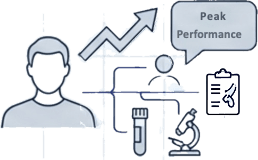
Most doctors are trained to treat disease. A good functional medicine doctor is trained to find the root cause, and build a smarter plan that helps you stay healthy, sharp, and high-performing over decades.
But not all “functional medicine” is created equal. The term gets thrown around a lot. So what actually sets the best clinicians apart?
1. They Ask Better Questions
Good functional medicine starts with listening. Not just to your symptoms, but to your goals, your timeline, and the patterns in your story. A good clinician doesn’t jump to protocols. They map out:
What problems you're solving for now
What patterns show up over time (energy crashes, cycles, plateaus)
What interventions have worked or backfired
What labs or systems haven’t been explored
What you’re actually trying to achieve
They know symptoms are clues, but they’re not the full story. You don’t just want to feel “not sick.” You want to feel sharp, strong, and optimized.
2. They Use Advanced Labs, But Don’t Throw the Kitchen Sink
Anyone can order a giant lab panel. A good doctor knows which tests are worth it and how to interpret them based on context.
At Catalyst, for example, we often look at:
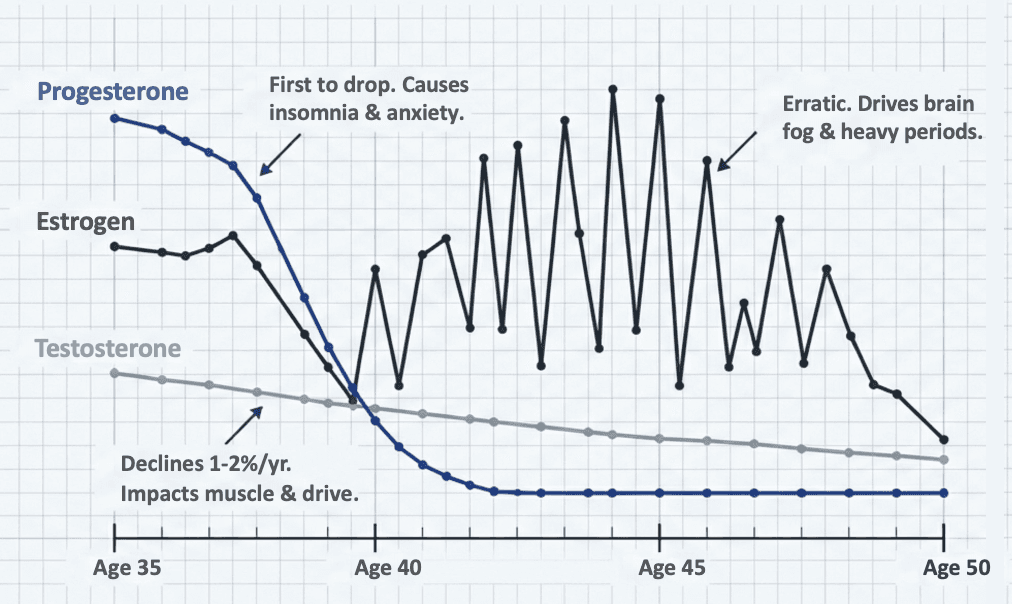
Hormones (testosterone, thyroid, cortisol, insulin, DHEA)
Inflammation and oxidative stress markers (hs-CRP, ESR)
Metabolic function (glucose, insulin, HOMA-IR, lipid particles)
Nutrient status (B12, folate, vitamin D, ferritin)
Sleep, circadian rhythm, and sometimes gut or toxin panels, if indicated
A good functional medicine doctor isn’t just reading lab ranges. They’re asking: What’s optimal for this patient’s goals?
3. They Personalize Your Protocol Over Time
Protocols are built around you. That means:
Custom supplement plans based on lab gaps
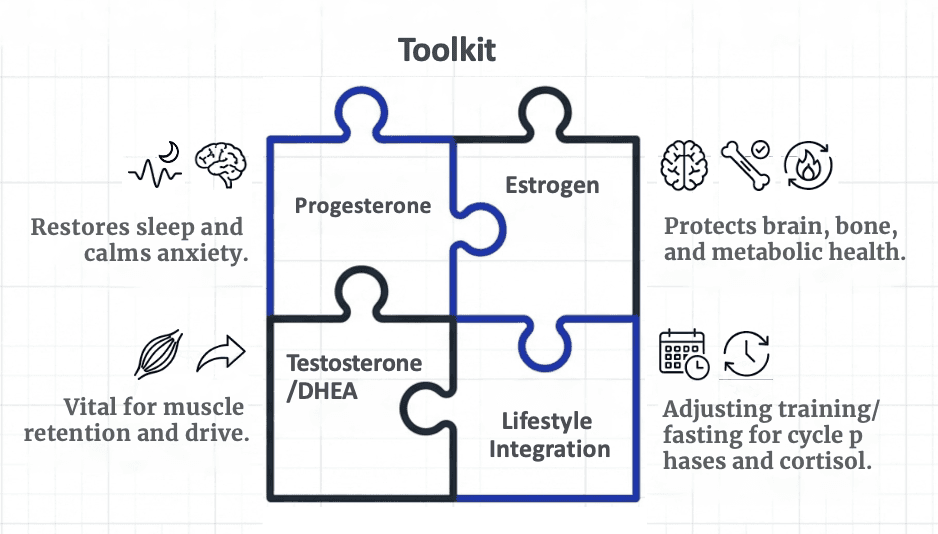
Hormone or thyroid support when needed
Nutrition strategies tailored to biology, not trends
Workout and recovery adjustments based on stress load
Layered changes over time, not 12 things at once
The best doctors evolve your protocol as your biology shifts.
4. They Have a Philosophy of Healthspan, Not Just Healing
A good functional medicine doctor isn’t just trying to make you feel better next month. They’re helping you build a body that performs well for decades.
That includes:
Preventing muscle and bone loss before it starts
Supporting brain health, sexual health, and energy long-term
Watching for early signs of cardiovascular or metabolic drift
Helping you navigate aging without decline
This is where the best functional medicine blends science and strategy. It’s not “alternative.” It’s proactive.
5. They Collaborate with You
Good doctors don’t hide behind jargon. They explain what’s happening, show you the data, and help you make confident decisions.
Look for someone who:
Translates labs into plain English
Helps you understand why changes are recommended
Checks in and adapts over time
Respects your goals and lived experience
You’re not just a patient, you’re a partner.
Bottom Line
The best functional medicine doctors don’t guess. They test, interpret, and tailor. They build real relationships with their patients. And they help you not only fix what’s off, but build a body that works better for longer.
At Catalyst, this is our philosophy. We use advanced testing, expert clinical judgment, and concierge-style access to help you feel sharper, stronger, and more in control of your biology.