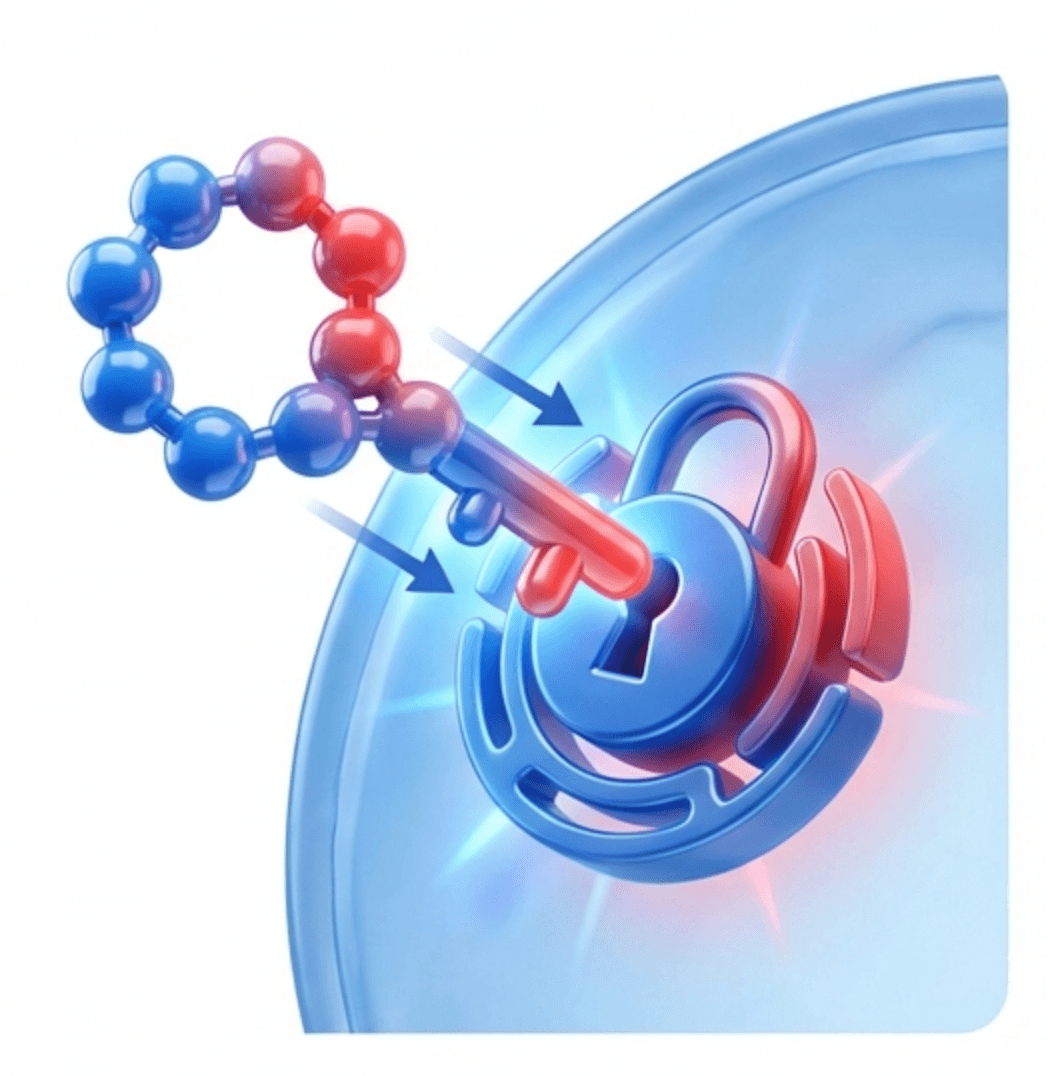
Peptides have quietly become one of the most powerful tools in the functional medicine toolkit. These small chains of amino acids act like messengers in the body, telling cells to behave in specific ways, from building more muscle to burning more fat to speeding up recovery.
At Catalyst Precision Health, we use peptides as part of a broader performance and longevity strategy - but only when they make sense based on lab data and clinical goals. Here's what you should know.
What Are Peptides, Exactly?
Peptides are short chains of amino acids (usually 2–50) that act as signaling molecules in the body. Some are naturally produced (like growth hormone-releasing peptides), while others are synthetic versions designed to mimic or enhance natural processes.
They’re not anabolic steroids or hormones, but many support hormonal pathways or metabolic outcomes.
How Peptides Support Weight Loss
Some peptides can influence body composition by:
Increasing Growth Hormone (GH): Peptides like CJC-1295 and Ipamorelin stimulate the pituitary to release more GH, which supports fat metabolism, lean muscle maintenance, and recovery.
Enhancing Fat Mobilization: AOD-9604, for example, is a modified fragment of HGH that targets fat breakdown without affecting insulin or cortisol levels.
Reducing Appetite or Improving Insulin Sensitivity: GLP-1 agonists (technically not peptides in the traditional sense, but similar in function) can help regulate hunger and improve glucose control.
We don't rely on peptides as a standalone fix. We use them selectively, when someone's data - like GH markers, insulin resistance, or visceral fat - supports it.
How Peptides Improve Recovery and Performance
Athletes and high-performers often use peptides to:
Repair Soft Tissue: BPC-157 and TB-500 are two of the most well-known regenerative peptides. BPC-157 supports tendon and ligament healing, while TB-500 enhances cell migration and repair.
Enhance Sleep Quality: Better sleep = better recovery. Some peptides improve REM and deep sleep, indirectly improving training output.
Support Joint Health: Certain peptides have shown promise in reducing inflammation or improving collagen synthesis.
Are Peptides Safe?
When prescribed and monitored properly, yes. But sourcing and dosing matter. Many peptides are still considered investigational, and the regulatory environment is evolving.
At Catalyst, we:
Use pharmacy-grade, clinician-prescribed peptides only
Pair them with lab data and clinical markers
Track progress with ongoing assessments and biomarker monitoring
All patients are engaged in detailed informed consent to better understand the benefits and risks of treatment.
Who Might Benefit?
You might be a candidate if you're:
Over 30 and struggling to maintain lean muscle or lose visceral fat
Recovering from injury and want to accelerate healing
Dealing with persistent fatigue, poor sleep, or metabolic slowdown
Already dialed in on training and nutrition but want to push to the next level
Why Peptides Alone Aren’t the Answer
Peptides can amplify progress, but they don’t replace the fundamentals. You still need:
Optimal hormone function (testosterone, growth hormone, insulin, cortisol balance)
Sufficient recovery and deep sleep
Smart training and nutrition that matches your biology
That’s why at Catalyst, we use peptides as part of a broader protocol - built off 100+ biomarkers and personalized to you.
Interested in Exploring Peptides?
We don’t offer one-size-fits-all regimens. Every protocol starts with advanced labs and a 1:1 consult. If your data supports it, peptides may be part of your plan, but they’re never the whole plan.