When it comes to heart health and inflammation, most doctors still focus on cholesterol. But at Catalyst, one marker often tells us more: C-Reactive Protein (CRP).
Specifically, high-sensitivity CRP (hs-CRP) can give early warning signs of systemic inflammation, long before cholesterol numbers budge. And in optimization medicine, inflammation is the enemy.
What Is CRP?
CRP is a protein produced by the liver in response to inflammation. It rises quickly when your body is fighting infection, healing from injury, or under chronic stress.
The version we care about is hs-CRP, which detects even low-grade inflammation: the kind that quietly drives:
Fatigue and brain fog
Weight gain and poor recovery
Insulin resistance and metabolic dysfunction
Aging-related decline
Heart disease risk
CRP vs. Cholesterol: Why CRP Wins
While cholesterol tells us about lipid transport (and is still useful), CRP tells us about active inflammation. You can have “perfect” cholesterol and still be inflamed.
Key differences:
Marker | What It Reflects | Why It Matters |
LDL, HDL, etc. | Lipid transport and storage | Risk factors for heart disease |
hs-CRP | Immune activation and inflammation | Signals active risk for disease |
Studies show that hs-CRP is a stronger predictor of cardiovascular events than LDL alone, especially in people with “normal” cholesterol.
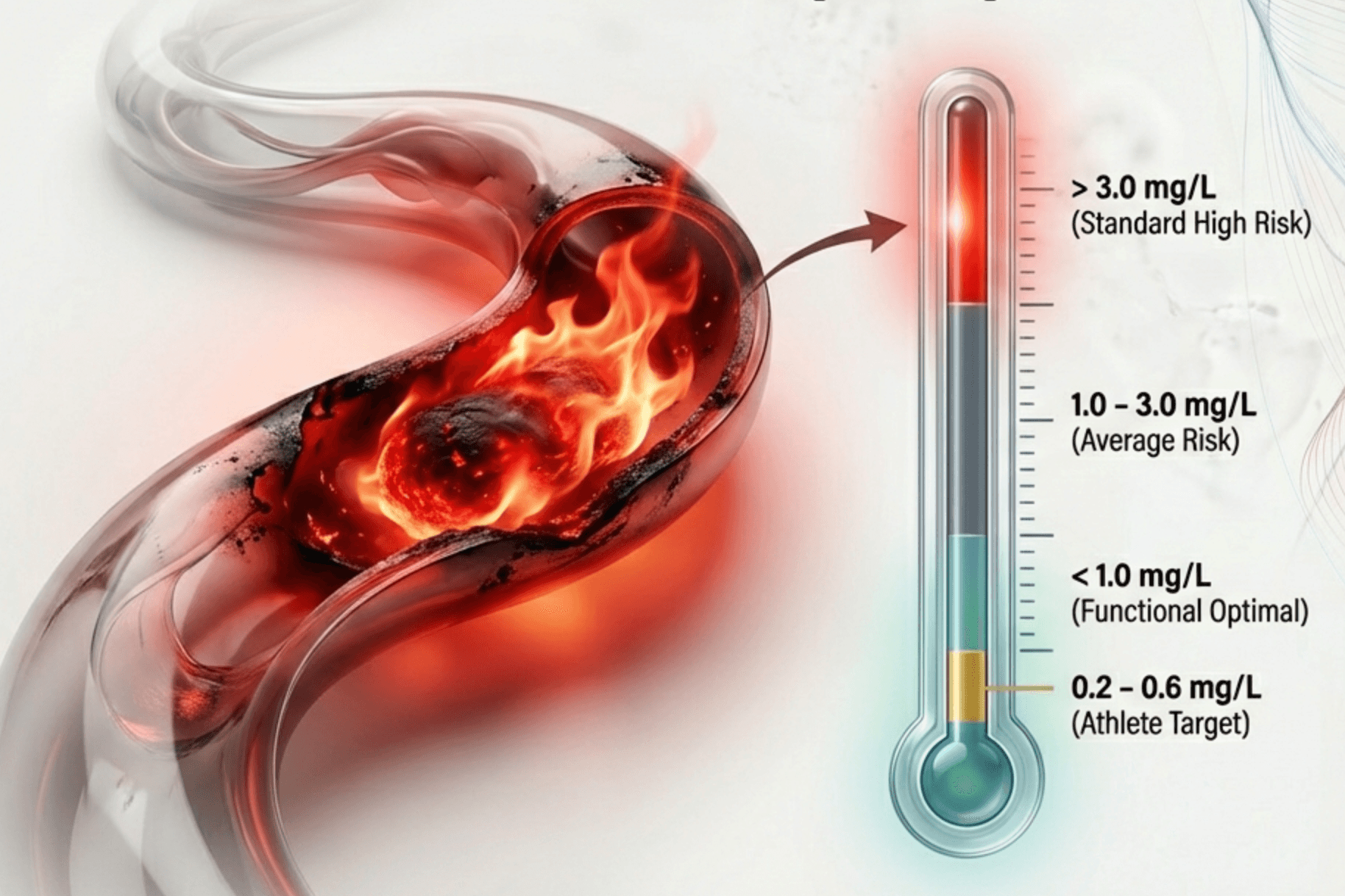
Optimal CRP Levels (Not Just “Normal”)
Lab “normal”: <3.0 mg/L
Functional optimal: <1.0 mg/L
Athlete target: 0.2–0.6 mg/L
At Catalyst, we flag anything above 1.0 for further investigation — even if your primary care doctor doesn’t.
What Elevates CRP?
CRP is non-specific, which means it doesn’t tell you what’s wrong, just that your body is inflamed. That said, we often see CRP spike from:
Poor sleep
Gut issues (e.g. SIBO, dysbiosis)
Overtraining or under-recovery
Processed foods or seed oils
Chronic infections (e.g. EBV, Lyme)
Environmental toxins or mold
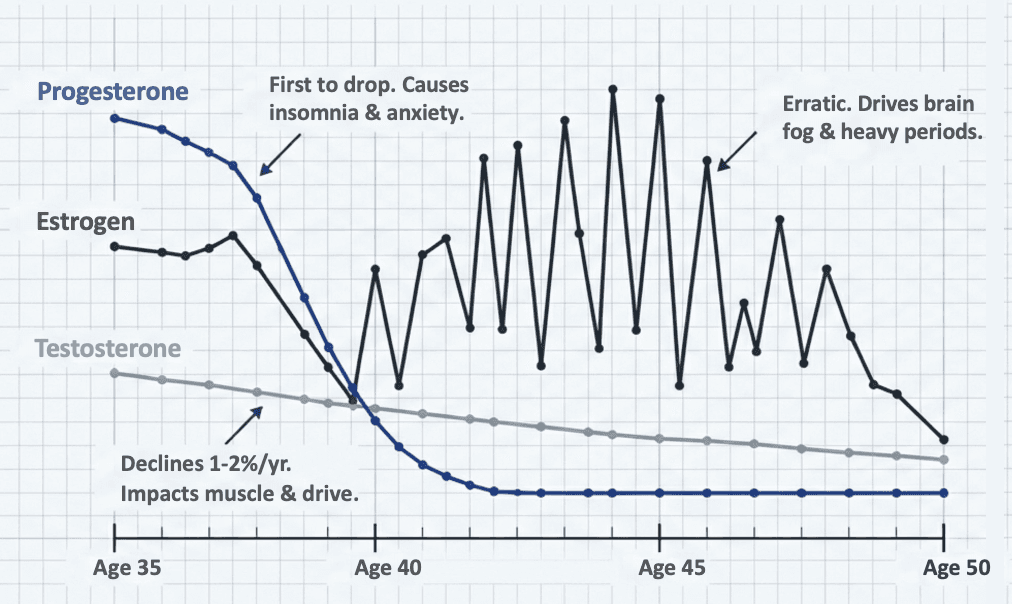
Hormonal imbalances (e.g. high cortisol)
Visceral fat and insulin resistance
What We Do About It
CRP isn’t a diagnosis. It’s a signal. At Catalyst, if your CRP is elevated, we look at the full picture:
Do you also have low DHEA or elevated cortisol?
Is your hs-CRP rising over time?
What does your gut testing say?
Is there a known stressor (injury, illness, emotional stress)?
How’s your body comp, HRV, and recovery?
Based on this, we may recommend:
Anti-inflammatory nutrition (e.g. Mediterranean-style, low processed foods)
Sleep optimization (tracking + protocols)
Targeted supplementation (e.g. curcumin, omega-3s, magnesium)
Exercise rebalancing (pulling back or shifting focus)
Stress & nervous system support (adaptogens, breathwork, HRV training)
Advanced testing (stool test, toxin screen, hidden infection panels)
CRP as a Longevity Marker
Lowering CRP isn’t just about feeling better. It’s also about aging better.
Chronic inflammation is at the root of nearly every age-related disease, including:
Cardiovascular disease
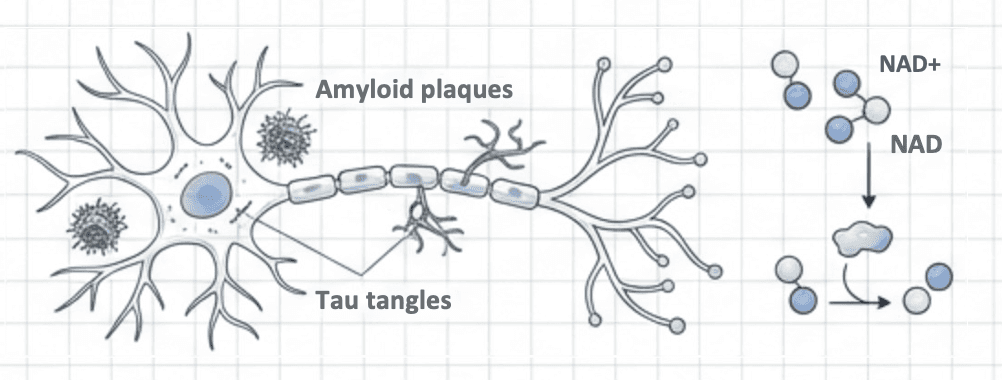
Neurodegeneration (Alzheimer’s, Parkinson’s)
Autoimmune conditions
Metabolic disorders
Tracking and lowering CRP is part of how we help patients build resilience and extend their healthspan.
Want to Know Your CRP?
Every Catalyst Core Member gets hs-CRP testing as part of their quarterly lab panel. We also re-test as needed to track changes, fine-tune recovery, and guide protocols.